
Ecosystem Builders Summit is an event for individuals actively architecting, operating, and funding the world’s innovation infrastructure.
Taking place during Tokyo InnoWeek 2027 and building on the momentum of Venture Café Global Gatherings that united innovation leaders across 85+ countries, the 2027 summit creates an intimate environment for ecosystem builders to learn from global peers. This one-day summit offers an indispensable dual advantage: a strategic gateway into Pan-Asian networks and a live operational learning lab.
Ecosystem Builders Summit is a paid event. Make sure to get your ticket here.
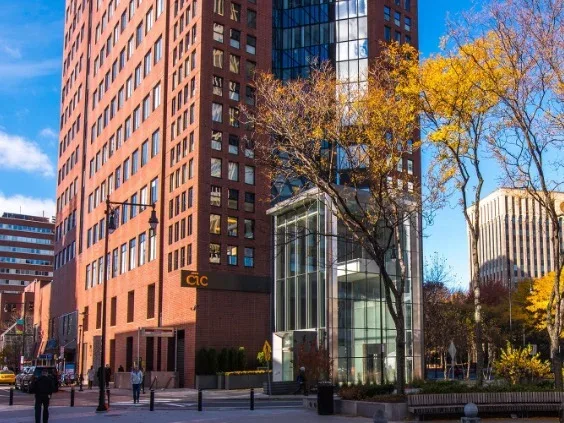
Innovation districts have come a long way, and the next generation will be defined by specialization. This keynote led by Tim Rowe, Founder & Executive Chair of Cambridge Innovation Center, Founder and Chair of Venture Café Global Institute, opens with the evolution of hubs, tracing three generations of innovation districts, from isolated research parks and generic co-working spaces to today's specialized "vertical" ecosystems.
From there, it makes the case for DNA-based competitiveness, offering a strategic roadmap and practical frameworks for analyzing regional DNA, so leaders can audit and double down on their region's native academic, industrial, and geographic strengths. Through case studies in vertical sovereignty, the session deconstructs first-hand examples of success to show what this looks like in practice.
Attendees will also learn the Tri-Factor Framework, a blueprint for aligning the three essential pillars of success: specialized physical infrastructure, high-retention community architecture, and targeted economic capital through public-private funding pipelines. The keynote then explores how regional leaders can avoid generic positioning, resisting the urge to copy Silicon Valley and instead cultivating defensible, niche dominance in specific verticals. It closes with a look at policy and capital alignment, examining how municipal governments and private developers can align infrastructure subsidies, zoning, and specialized VC funds behind target verticals.
Strategic Roundtable and Sector Blueprint Workshop
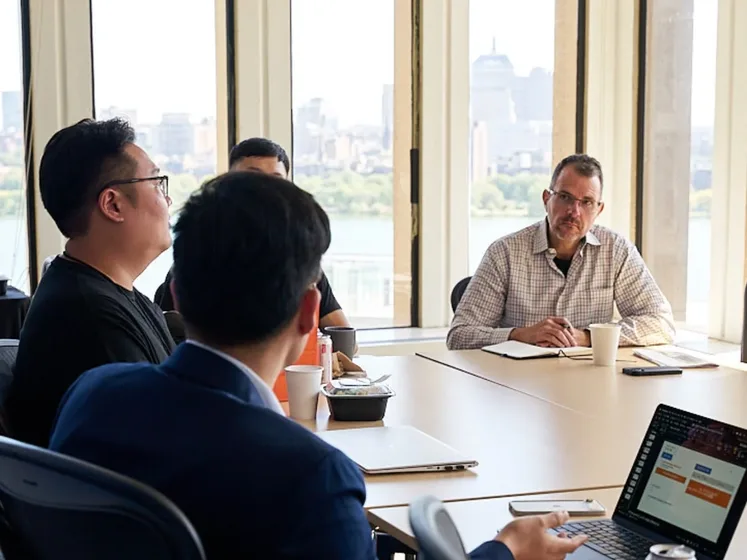
Every region has strengths that set it apart, but recognizing them and choosing where to focus is rarely simple. This working session gives district leaders space to reflect on what makes their region distinctive and where its greatest opportunities may lie.
Through guided discussion and peer exchange, participants will explore how academic, industrial, and geographic assets can shape a district's direction, and how public and private partners might come together around a shared vision. A featured case study will offer perspective on how one district approached these choices.
Participants will leave with early thinking on their own district's path forward, informed by CIC's approach to sector specialization.
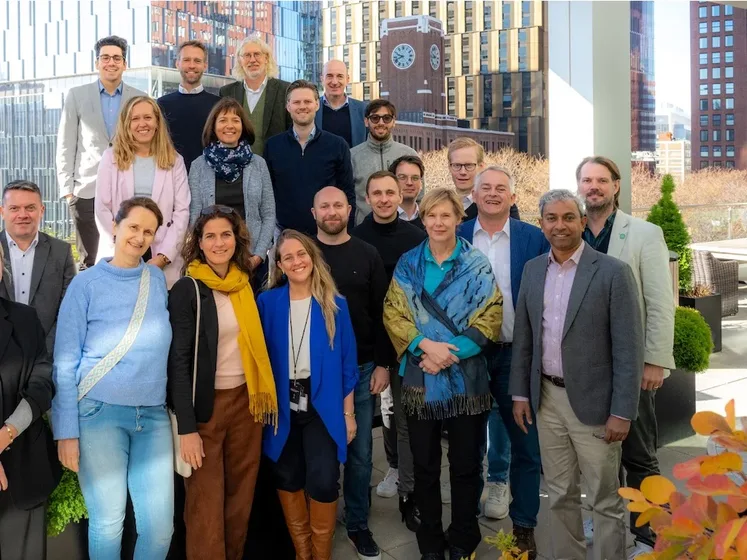
Great ideas can start anywhere, but scaling them requires connections that reach across borders. This roundtable brings together ecosystem builders, investors, and program leaders to explore how regional innovation hubs can plug into the global economy and grow stronger together.
Participants will dig into what it takes to establish cross-border landing pads, soft-landing programs, and cross-city pilots that help startups successfully enter and grow in new markets. The conversation will also tackle how to connect regional founders with global capital, and how emerging and established hubs can structure multi-city partnerships that benefit both sides. Finally, the group will examine how to design market-driven commercialization programs that turn research into scalable, high-impact ventures.
Come ready to share your experiences, challenge assumptions, and leave with practical strategies and new partners for building a globally connected ecosystem.
Hitachi has more than a century of engineering behind it and deep in-house capabilities across rail, energy, digital, and industrial systems. So what does a company like that look for in an external innovation ecosystem?
In this fireside chat, Charlie Takeuchi, President & CEO of Hitachi Americas, sits down with Chris Walla, Senior Directo at CIC to talk about how a global corporation engages with startups, cities, and research institutions, and how it decides where to commit. They'll discuss:
- what Hitachi looks for outside its own walls
- how the company matches what it finds externally with what it already does well internally
- how Hitachi chooses which cities to build deeper engagement in and invest in
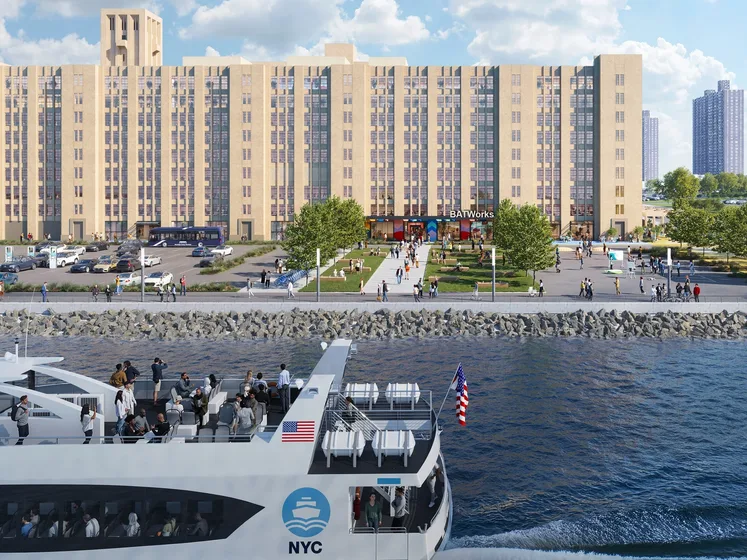
- why New York City has become a priority, the BATWorks project, and what Hitachi hopes to build there
- what it takes to connect innovation between Japan and the United States
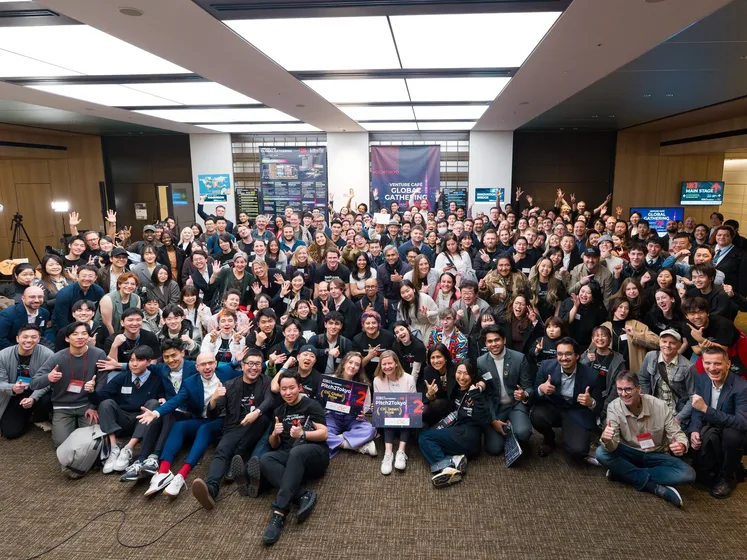
What turns a series of events into a community that people return to, contribute to, and help grow?
Startup Genome’s research links strong local relationships, particularly among founders, with higher startup sales, faster team growth, and greater ecosystem value. These findings make a compelling case for ecosystem builders to invest intentionally in community building as a foundation for economic growth.
This interactive roundtable brings together ecosystem builders and investors to explore the economic value of community and the strategies that sustain it. We’ll discuss how to move beyond transactional networking to build lasting relationships, engage founders, corporates, and academic institutions, and maintain momentum across physical and digital spaces.
Participants will exchange practical approaches to using data-driven insights to strengthen engagement, guide investment, and deliver measurable impact. We’ll also explore how to build scalable systems that support growing communities while preserving the human connections that make them valuable.
Session Description:
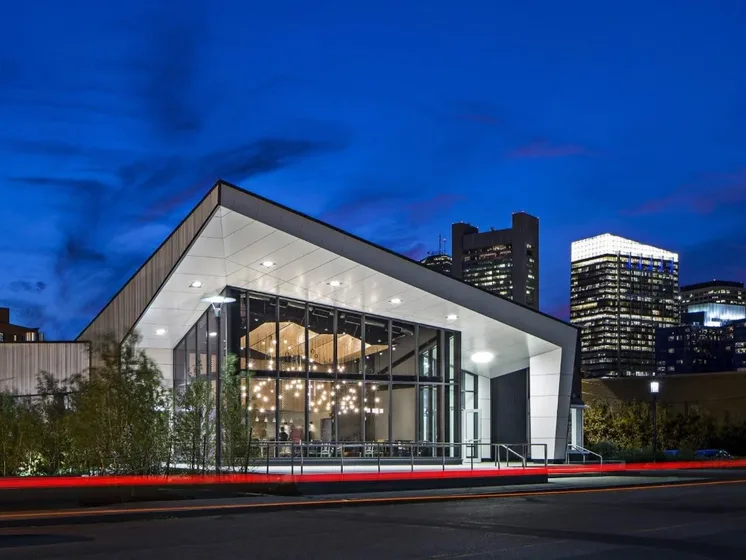
A landmark spatial study at MIT analyzing communication across 33 departments and 1,500 researchers revealed that physical layout and proximity directly dictate interaction. Innovation rarely happens in isolation; it thrives in environments purposefully engineered for connection, flexibility, and scale. Join leaders from CIC and strategic partners for a session exploring how physical infrastructure acts as a primary catalyst for ecosystem growth.
This session dives deep into the spatial design strategies that turn physical assets into magnets for cross-disciplinary collaboration. Beyond layout, participants will unpack the operational side of place-making—managing costs without sacrificing vibrancy. Drawing on real-world case studies across flexible co-working environments, specialized wet lab facilities, and dynamic public activation zones, participants will collaborate on actionable frameworks to build self-sustaining innovation districts. Come prepared to share insights, pressure-test spatial challenges, and help shape the next generation of physical innovation hubs.
This session will be led by CIC's experts, leveraging over 26 years of industry-leading experience alongside notable project partners.
Overview
How does a mid-sized region turn a cultural tradition into a globally dominant, multi-million-euro innovation ecosystem?
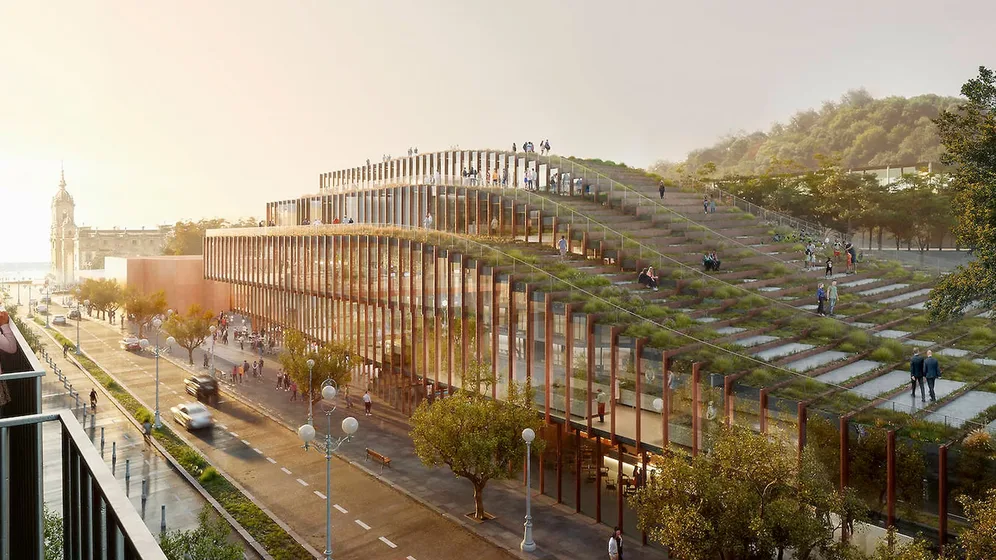
In this session, Asier Alea unpacks the operational playbook behind GOe (Gastronomy Open Ecosystem), the landmark initiative pioneered by the Basque Culinary Center in Donostia–San Sebastián. Housed in an urban facility designed by BIG (Bjarke Ingels Group), GOe expands culinary arts into an open innovation district uniting food tech startups, sensory research, biotechnology, and civic living labs.
Alea shares an unvarnished look at GOe’s journey: from the initial vision to 12 months of live operations, key operational missteps, and actionable lessons in orchestrating deep-vertical specialization. Attendees will discover how to identify their region’s unfair competitive advantage, rally a quadruple-helix coalition, and build an innovation engine anchored in real-world cultural identity rather than generic tech incubator models.
Key Takeaways
-
The Vertical Specialization Playbook: How to move beyond generic incubators to construct high-moat, industry-specific clusters.
-
Orchestrating the Quadruple Helix: Strategies to align unlikely partners (from culinary artisans and Michelin-starred chefs to biotech researchers, corporate food giants, and municipal policymakers).
-
Living Labs in Practice: How tools like the GOe Testers network embed citizen feedback directly into R&D pipelines to de-risk early-stage food ventures.
-
Globalizing Regional Assets: Practical approaches for creating international venture corridors and landing pads through programs like GOe On The Road (including nodes in Tokyo, Boston, and Rotterdam) while keeping local roots firmly planted.

An interactive workshop designed to help participants identify the assets, resources, and relationships they already have — and uncover gaps, opportunities, and connections that can help them move forward.
Participants will begin to develop their own blueprint for success by mapping their existing ecosystem, identifying priority stakeholders or resources they need to connect with, and developing practical next steps for strengthening their network
Image Credit: MIT News https://news.mit.edu/2017/hubweek-shines-spotlight-kendall-square-innovation-ecosystem-1002

Tokyo has executed a deliberate pivot in modern ecosystem building, evolving from a corporate-dominated domestic market into an internationally connected launchpad for deep tech. Backed by Tokyo Metropolitan Government (TMG) policies and global innovation hubs, the city is redefining how megacities commercialize research.
This session breaks down the mechanics behind Tokyo's urban and deep-tech deployment models:
-
From Corporate Giant to Global Hub: How Tokyo shifted from an insular market to an open, founder-friendly ecosystem, highlighting the specific public initiatives that actually moved the needle.
-
Ending Innovation Theater: How Japanese enterprises are moving past passive CVC and surface-level pitch days toward real venture building, strategic M&A, and commercial deployment.
-
Deep Tech and Cultural Shifts: Translating elite university R&D into market-ready ventures while breaking risk stigmas to draw top engineers, graduates, and global talent into the startup economy.
Takeaway: Practical frameworks for ecosystem builders, corporate leads, and policymakers looking to activate corporate capital, commercialize hard tech, and scale regional innovation hubs.
Description
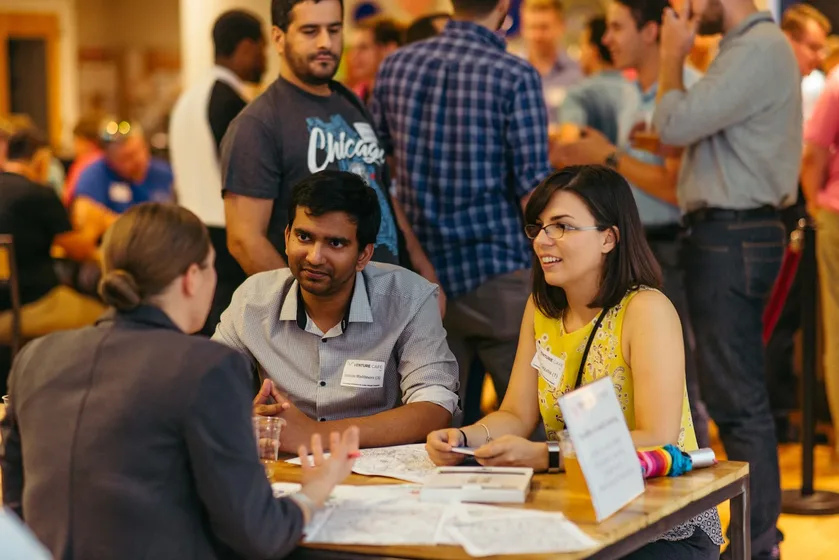
Break out of regional silos and establish direct pipelines between innovation hubs. This curated matchmaking session connects ecosystem builders, municipal leaders, and innovation operators with peers across global cities to explore actionable cross-border partnerships.
Participants will engage in structured, fast-paced rounds designed to identify shared priorities and build collaborative corridors:
-
Soft-Landing Exchanges: Establishing reciprocal landing pads, co-working access, and market-entry support for expanding startups.
-
Capital and Deal-Flow Corridors: Connecting local investor syndicates, corporate venture arms, and founders with international opportunities.
-
Policy and Playbook Sharing: Exchanging proven frameworks for public-private funding, regulatory sandboxes, and deep-tech commercialization.
-
Cross-Regional Pilots: Aligning civic and corporate challenges across cities for joint technology trials and deployments.







Ecosystem Builders Summit is an event for individuals actively architecting, operating, and funding the world’s innovation infrastructure.
Taking place during Tokyo InnoWeek 2027 and building on the momentum of Venture Café Global Gatherings that united innovation leaders across 85+ countries, the 2027 summit creates an intimate environment for ecosystem builders to learn from global peers. This one-day summit offers an indispensable dual advantage: a strategic gateway into Pan-Asian networks and a live operational learning lab.
Ecosystem Builders Summit is a paid event. Make sure to get your ticket here.
Innovation districts have come a long way, and the next generation will be defined by specialization. This keynote led by Tim Rowe, Founder & Executive Chair of Cambridge Innovation Center, Founder and Chair of Venture Café Global Institute, opens with the evolution of hubs, tracing three generations of innovation districts, from isolated research parks and generic co-working spaces to today's specialized "vertical" ecosystems.
From there, it makes the case for DNA-based competitiveness, offering a strategic roadmap and practical frameworks for analyzing regional DNA, so leaders can audit and double down on their region's native academic, industrial, and geographic strengths. Through case studies in vertical sovereignty, the session deconstructs first-hand examples of success to show what this looks like in practice.
Attendees will also learn the Tri-Factor Framework, a blueprint for aligning the three essential pillars of success: specialized physical infrastructure, high-retention community architecture, and targeted economic capital through public-private funding pipelines. The keynote then explores how regional leaders can avoid generic positioning, resisting the urge to copy Silicon Valley and instead cultivating defensible, niche dominance in specific verticals. It closes with a look at policy and capital alignment, examining how municipal governments and private developers can align infrastructure subsidies, zoning, and specialized VC funds behind target verticals.
Strategic Roundtable and Sector Blueprint Workshop
Every region has strengths that set it apart, but recognizing them and choosing where to focus is rarely simple. This working session gives district leaders space to reflect on what makes their region distinctive and where its greatest opportunities may lie.
Through guided discussion and peer exchange, participants will explore how academic, industrial, and geographic assets can shape a district's direction, and how public and private partners might come together around a shared vision. A featured case study will offer perspective on how one district approached these choices.
Participants will leave with early thinking on their own district's path forward, informed by CIC's approach to sector specialization.
Great ideas can start anywhere, but scaling them requires connections that reach across borders. This roundtable brings together ecosystem builders, investors, and program leaders to explore how regional innovation hubs can plug into the global economy and grow stronger together.
Participants will dig into what it takes to establish cross-border landing pads, soft-landing programs, and cross-city pilots that help startups successfully enter and grow in new markets. The conversation will also tackle how to connect regional founders with global capital, and how emerging and established hubs can structure multi-city partnerships that benefit both sides. Finally, the group will examine how to design market-driven commercialization programs that turn research into scalable, high-impact ventures.
Come ready to share your experiences, challenge assumptions, and leave with practical strategies and new partners for building a globally connected ecosystem.
Hitachi has more than a century of engineering behind it and deep in-house capabilities across rail, energy, digital, and industrial systems. So what does a company like that look for in an external innovation ecosystem?
In this fireside chat, Charlie Takeuchi, President & CEO of Hitachi Americas, sits down with Chris Walla, Senior Directo at CIC to talk about how a global corporation engages with startups, cities, and research institutions, and how it decides where to commit. They'll discuss:
- what Hitachi looks for outside its own walls
- how the company matches what it finds externally with what it already does well internally
- how Hitachi chooses which cities to build deeper engagement in and invest in
- why New York City has become a priority, the BATWorks project, and what Hitachi hopes to build there
- what it takes to connect innovation between Japan and the United States
What turns a series of events into a community that people return to, contribute to, and help grow?
Startup Genome’s research links strong local relationships, particularly among founders, with higher startup sales, faster team growth, and greater ecosystem value. These findings make a compelling case for ecosystem builders to invest intentionally in community building as a foundation for economic growth.
This interactive roundtable brings together ecosystem builders and investors to explore the economic value of community and the strategies that sustain it. We’ll discuss how to move beyond transactional networking to build lasting relationships, engage founders, corporates, and academic institutions, and maintain momentum across physical and digital spaces.
Participants will exchange practical approaches to using data-driven insights to strengthen engagement, guide investment, and deliver measurable impact. We’ll also explore how to build scalable systems that support growing communities while preserving the human connections that make them valuable.
Session Description:
A landmark spatial study at MIT analyzing communication across 33 departments and 1,500 researchers revealed that physical layout and proximity directly dictate interaction. Innovation rarely happens in isolation; it thrives in environments purposefully engineered for connection, flexibility, and scale. Join leaders from CIC and strategic partners for a session exploring how physical infrastructure acts as a primary catalyst for ecosystem growth.
This session dives deep into the spatial design strategies that turn physical assets into magnets for cross-disciplinary collaboration. Beyond layout, participants will unpack the operational side of place-making—managing costs without sacrificing vibrancy. Drawing on real-world case studies across flexible co-working environments, specialized wet lab facilities, and dynamic public activation zones, participants will collaborate on actionable frameworks to build self-sustaining innovation districts. Come prepared to share insights, pressure-test spatial challenges, and help shape the next generation of physical innovation hubs.
This session will be led by CIC's experts, leveraging over 26 years of industry-leading experience alongside notable project partners.
Overview
How does a mid-sized region turn a cultural tradition into a globally dominant, multi-million-euro innovation ecosystem?
In this session, Asier Alea unpacks the operational playbook behind GOe (Gastronomy Open Ecosystem), the landmark initiative pioneered by the Basque Culinary Center in Donostia–San Sebastián. Housed in an urban facility designed by BIG (Bjarke Ingels Group), GOe expands culinary arts into an open innovation district uniting food tech startups, sensory research, biotechnology, and civic living labs.
Alea shares an unvarnished look at GOe’s journey: from the initial vision to 12 months of live operations, key operational missteps, and actionable lessons in orchestrating deep-vertical specialization. Attendees will discover how to identify their region’s unfair competitive advantage, rally a quadruple-helix coalition, and build an innovation engine anchored in real-world cultural identity rather than generic tech incubator models.
Key Takeaways
-
The Vertical Specialization Playbook: How to move beyond generic incubators to construct high-moat, industry-specific clusters.
-
Orchestrating the Quadruple Helix: Strategies to align unlikely partners (from culinary artisans and Michelin-starred chefs to biotech researchers, corporate food giants, and municipal policymakers).
-
Living Labs in Practice: How tools like the GOe Testers network embed citizen feedback directly into R&D pipelines to de-risk early-stage food ventures.
-
Globalizing Regional Assets: Practical approaches for creating international venture corridors and landing pads through programs like GOe On The Road (including nodes in Tokyo, Boston, and Rotterdam) while keeping local roots firmly planted.
An interactive workshop designed to help participants identify the assets, resources, and relationships they already have — and uncover gaps, opportunities, and connections that can help them move forward.
Participants will begin to develop their own blueprint for success by mapping their existing ecosystem, identifying priority stakeholders or resources they need to connect with, and developing practical next steps for strengthening their network
Image Credit: MIT News https://news.mit.edu/2017/hubweek-shines-spotlight-kendall-square-innovation-ecosystem-1002
Tokyo has executed a deliberate pivot in modern ecosystem building, evolving from a corporate-dominated domestic market into an internationally connected launchpad for deep tech. Backed by Tokyo Metropolitan Government (TMG) policies and global innovation hubs, the city is redefining how megacities commercialize research.
This session breaks down the mechanics behind Tokyo's urban and deep-tech deployment models:
-
From Corporate Giant to Global Hub: How Tokyo shifted from an insular market to an open, founder-friendly ecosystem, highlighting the specific public initiatives that actually moved the needle.
-
Ending Innovation Theater: How Japanese enterprises are moving past passive CVC and surface-level pitch days toward real venture building, strategic M&A, and commercial deployment.
-
Deep Tech and Cultural Shifts: Translating elite university R&D into market-ready ventures while breaking risk stigmas to draw top engineers, graduates, and global talent into the startup economy.
Takeaway: Practical frameworks for ecosystem builders, corporate leads, and policymakers looking to activate corporate capital, commercialize hard tech, and scale regional innovation hubs.
Description
Break out of regional silos and establish direct pipelines between innovation hubs. This curated matchmaking session connects ecosystem builders, municipal leaders, and innovation operators with peers across global cities to explore actionable cross-border partnerships.
Participants will engage in structured, fast-paced rounds designed to identify shared priorities and build collaborative corridors:
-
Soft-Landing Exchanges: Establishing reciprocal landing pads, co-working access, and market-entry support for expanding startups.
-
Capital and Deal-Flow Corridors: Connecting local investor syndicates, corporate venture arms, and founders with international opportunities.
-
Policy and Playbook Sharing: Exchanging proven frameworks for public-private funding, regulatory sandboxes, and deep-tech commercialization.
-
Cross-Regional Pilots: Aligning civic and corporate challenges across cities for joint technology trials and deployments.